Are you tired of spending money on chemical-filled shampoos that promise everything but deliver very little? You’re not alone. Many people today are going back to basics — and honestly, nature has been ahead of the game for thousands of years.
In this article, I’m going to walk you through 3 easy homemade natural shampoos you can make right at home. These are not just old wives’ tales — they are backed by ancient Ayurvedic wisdom and are trusted by millions of people around the world. The best part? You don’t need any fancy ingredients. Let’s get into it.
Why Ditch Chemical Shampoos?
Exploring Natural Shampoos
Here’s something most people don’t realize — many commercial shampoos contain sulfates, parabens, and synthetic fragrances that strip your scalp of its natural oils. Over time, this weakens the hair follicles, leads to more hair fall, and even triggers dandruff.[minaturewellness]Natural Shampoos
Your hair health is closely connected to your overall well-being. When you switch to natural cleansers, you’re not just cleaning your hair — you’re nurturing your scalp at its roots.
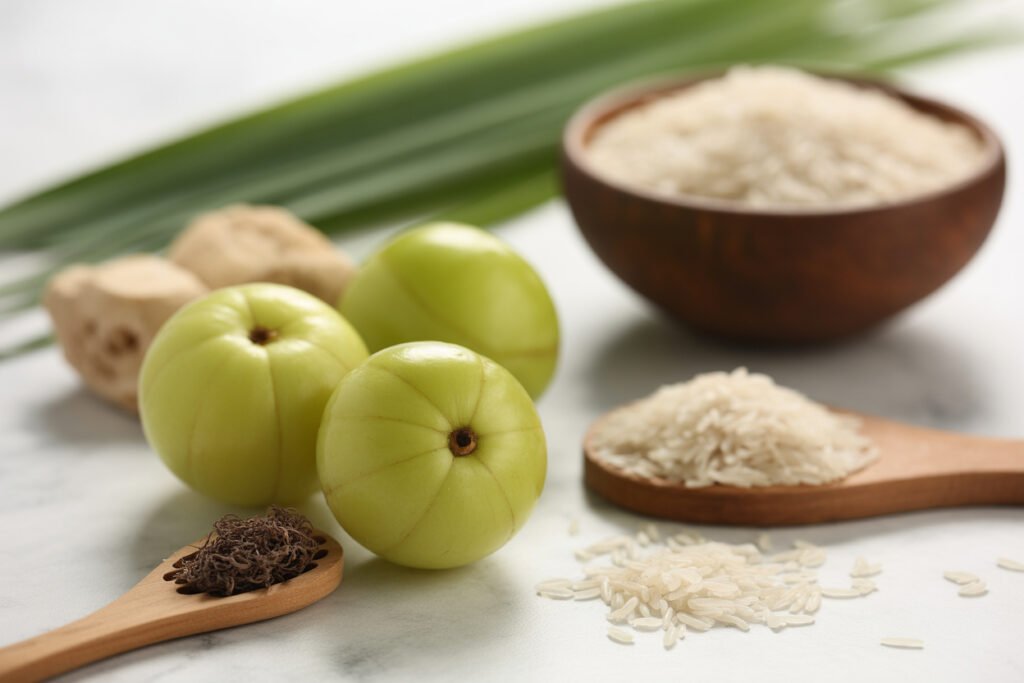
Shampoo #1 — Amla & Shikakai (The Classic Ayurvedic Powerhouse)
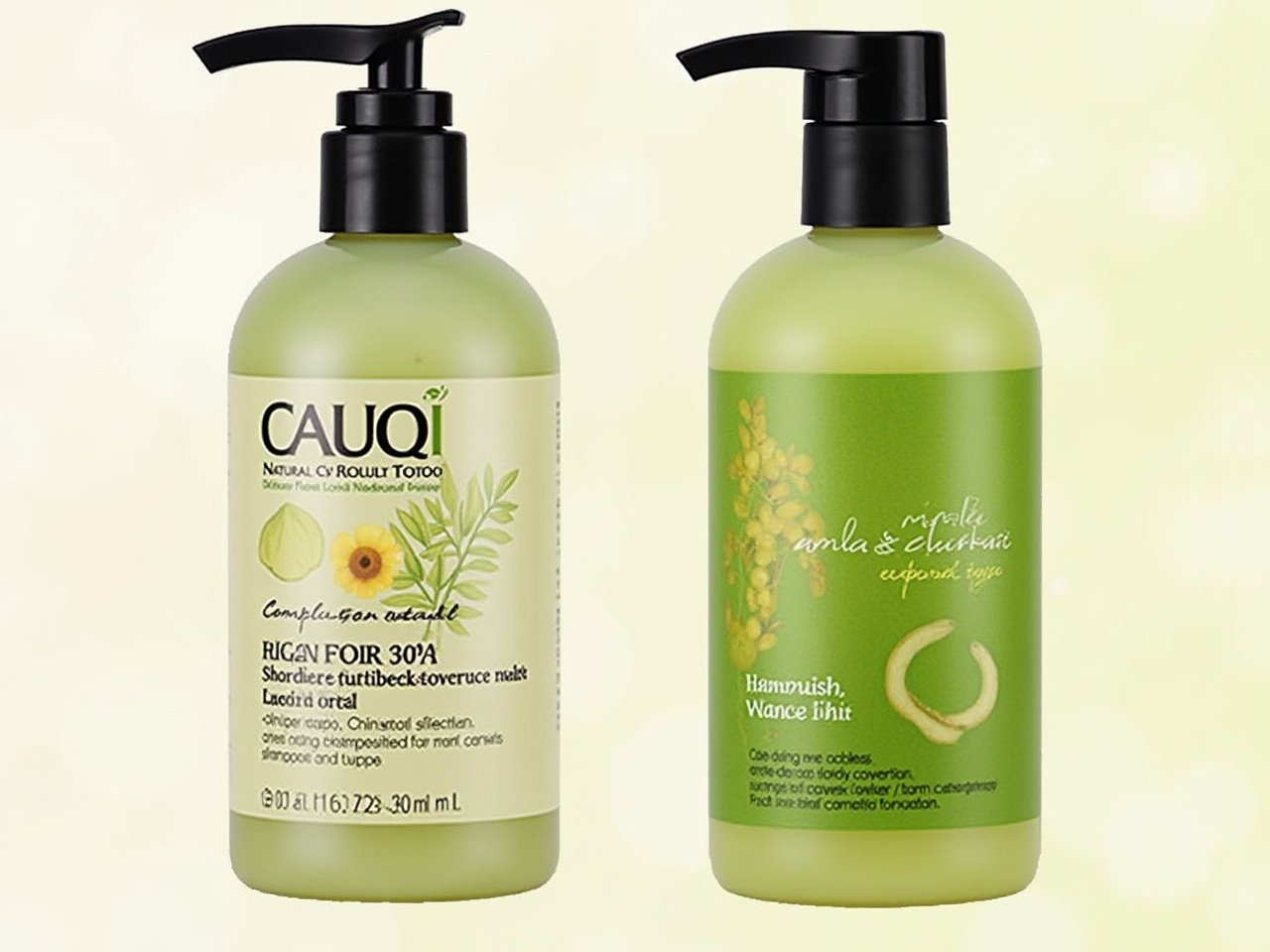
If there’s one combination that has stood the test of time in Indian hair care, it’s Amla (Indian Gooseberry) and Shikakai. Together, they form a powerful natural shampoo that cleanses, strengthens, and conditions your hair without any harsh chemicals.
Why it works:
- Amla is packed with Vitamin C and antioxidants that repair damaged hair, prevent hair loss, stop premature greying, and promote scalp circulation[minaturewellness]
- Shikakai contains vitamins A, C, D, and K — all essential for healthy hair — and naturally contains saponin, which acts as a gentle foaming cleanser[nykaa]
- Together, they strengthen hair from root to tip, reduce breakage, and add natural shine and volume[minaturewellness]
How to make it at home:
- Soak 6–7 pieces of dried shikakai and a few amla pods in water overnight
- In the morning, heat the mixture until it just begins to boil, then turn off the heat
- Let it cool completely, then blend and strain it
- Your natural shampoo is ready to use!
💡 Pro Tip: You can also use amla and shikakai in powdered form — simply mix both powders with water to form a paste and apply directly to your scalp.
Shampoo #2 — Reetha (Soapnut) — Nature’s Own Soap
If you’ve never tried Reetha, also known as Soapnut, you’re seriously missing out. This is literally nature’s version of soap — and it’s gentle enough even for people with sensitive scalps, eczema, or psoriasis.
Reetha contains saponin, a naturally occurring compound that lathers up when mixed with water, acting as a powerful yet gentle cleanser.[clinikally]
Why it works:
- Rich in vitamins A, D, E, iron, and calcium that nourish hair and scalp deeply[clinikally]
- Antibacterial and anti-inflammatory properties help fight dandruff and scalp infections[clinikally]
- Strengthens hair follicles, reduces hair fall, and helps prevent split ends[tucokids]
- Suits all hair types, including color-treated and chemically processed hair[clinikally]
How to make it at home:
- Tie 3–4 soapnuts in a muslin cloth
- Place it in a pot with enough water to cover it and bring to a boil
- Reduce heat and simmer for 10 minutes, then add half a cup of water and simmer for another 10 minutes
- Remove from heat and let it cool
- Squeeze the bundle firmly until soapy suds appear, rinse the bundle with a little water, and squeeze again
- Massage the soapy liquid onto your wet scalp, leave for 5 minutes, and rinse thoroughly
💡 This works beautifully as a body wash too — especially if you have skin conditions like eczema or psoriasis.Natural Shampoos
Shampoo #3 — Rice Water (The Ancient Asian Hair Secret)
You may have seen rice water trending all over social media — but this isn’t a new trend at all. Women in Far Eastern countries like Japan and China have been using rice water as a hair treatment for centuries, and the results speak for themselves.
Rice water is the starchy liquid left after you soak or cook rice. It’s surprisingly loaded with nutrients your hair loves.[health.clevelandclinic]
Why it works:
- Contains amino acids, B vitamins, Vitamin E, minerals, and inositol — a compound known to strengthen hair strands[health.clevelandclinic]
- The starch in rice water acts as a natural conditioner, coating the hair cuticle to reduce frizz, breakage, and tangles[health.clevelandclinic]
- Antioxidants in rice water may help with scalp health and support the hair growth cycle[pubmed.ncbi.nlm.nih]
Two ways to make it:
Method 1 – Soaking (Quickest Method):
- Take 1 cup of uncooked rice and rinse it well
- Soak it in 2 cups of water for a few hours or overnight
- Strain the water, then massage it into your scalp and hair
- Leave it on for 30 minutes, then rinse thoroughly with clean water
Method 2 – Boiling:
- Boil 1 cup of rice in 3 cups of water
- Once cooked, strain the leftover water and let it cool
- Apply to scalp and hair, leave for 30 minutes, then rinse
💡 Rice water can also be used as a hair rinse — either before or after shampooing. Just make sure to rinse it out completely to avoid any buildup.
Which One Should You Use?
Here’s a quick breakdown to help you choose the right one for your hair concern:
| Hair Concern | Best Natural Shampoo |
|---|---|
| Hair fall & breakage | Amla + Shikakai |
| Dandruff & oily scalp | Reetha (Soapnut) |
| Frizz, damage & shine | Rice Water |
| Sensitive scalp / eczema | Reetha (Soapnut) |
| Overall nourishment | All three combined |
Final Thoughts
Switching to natural homemade shampoos isn’t just a trend — it’s a long-term investment in your hair’s health. These three remedies — Amla & Shikakai, Reetha, and Rice Water — have been trusted for generations, and with good reason. They are affordable, chemical-free, and effective for almost all hair types. minaturewellness.Natural Shampoos
Along with using these natural shampoos, don’t forget to eat a balanced diet, stay hydrated, and manage stress — because healthy hair truly starts from within.
Give these a try and let me know in the comments which one worked best for you. Your hair will thank you! 🌿Natural Shampoos
Found this helpful? Share it with someone who’s struggling with hair fall or dandruff. And don’t forget to explore more natural hair care tips right here on HairHealthCares.com!Natural Shampoos