Best Natural Oils:Have you been searching for natural solutions to grow your hair longer and stronger? The answer might be sitting in your kitchen cabinet or local health store. Natural oils have been used for centuries to promote hair growth, and modern science is now confirming what traditional wisdom has known all along.
Understanding How Natural Oils Support Hair Growth
Natural oils work by nourishing the scalp, strengthening hair follicles, and creating an optimal environment for healthy hair growth. These botanical extracts contain powerful compounds like fatty acids, vitamins, and antioxidants that penetrate deep into the hair shaft and follicle. When applied consistently, the best oil for hair growth can improve blood circulation to the scalp, reduce inflammation, and protect against damage that leads to breakage.
The mechanism behind oil-based hair growth involves multiple pathways. Some oils contain compounds that block DHT (dihydrotestosterone), a hormone linked to hair loss, while others enhance blood flow to deliver more oxygen and nutrients to follicles. Understanding these mechanisms helps you choose which natural oil is best for hair growth based on your specific needs.
Rosemary Oil: The Science-Backed Champion
Rosemary oil has emerged as the clear winner among natural hair growth treatments, with clinical studies showing impressive results. Research involving 100 men with androgenetic alopecia found that rosemary oil performed equally well as 2% minoxidil after six months of consistent use. Both groups experienced the same increase in hair count and density improvement, making this the best oil for hair growth and thickness backed by scientific evidence
The effectiveness of rosemary oil comes from its bioactive compounds that possess antioxidant, antimicrobial, and anti-inflammatory properties. A study published in a medical journal demonstrated that rosemary oil had similar effects to minoxidil after just six weeks of application. More recent research from 2025 showed that hair growth serums containing rosemary oil significantly improved hair growth rate, thickness, density, and length while reducing hair fall.
For optimal results with rosemary oil, apply a few drops to your scalp 3-4 times per week and massage gently using circular motions. This consistent application helps stimulate follicles and improve circulation. Think of it as a workout routine for your scalp that requires dedication to see transformative results.
Castor Oil: The Traditional Thickness Builder
Castor oil holds legendary status in the natural hair care community, particularly Jamaican black castor oil. This thick, amber-colored oil contains approximately 90% ricinoleic acid, a unique fatty acid responsible for its remarkable hair growth properties. Ricinoleic acid creates anti-inflammatory effects by inhibiting pro-inflammatory cytokines, which helps address scalp conditions that hinder hair growth.[thefemalecatalyst]
The antimicrobial properties of castor oil help maintain a healthy scalp environment free from pathogens that could impede growth. Studies published in medical journals note that ricinoleic acid exhibits antibacterial activity against common scalp bacteria. Additionally, castor oil enhances blood circulation to the scalp, nourishing hair follicles and supporting robust growth.
Research indicates that castor oil can stimulate prostaglandin E2 production in the scalp, promoting hair growth by increasing blood flow to follicles and enhancing keratin production. A clinical study showed notable improvement in hair thickness and growth rates among participants using castor oil regularly. When combined with rosemary oil, the results become even more impressive, with studies showing significant improvements across multiple hair health parameters.
Peppermint Oil: The Circulation Booster
Peppermint oil deserves attention as one of the most powerful natural options for accelerating hair growth. The main component, menthol, improves blood flow to the scalp when applied, helping promote hair growth by enhancing oxygen and nutrient delivery to follicles. Animal studies comparing peppermint oil directly to minoxidil found that the natural oil induced thick and long hair growth in a quicker timeframe.
At the four-week mark of one study, the peppermint oil group showed remarkable results with 92% hair growth promotion compared to 55% in the minoxidil group. The study also revealed significant hair follicle elongation, increased dermal thickness, and increased follicle numbers. This makes peppermint oil a compelling choice for those seeking which natural oil is best for hair growth with fast-acting results.
Apply peppermint oil diluted with a carrier oil like coconut or jojoba, as the pure essential oil can be too strong for direct scalp application. The cooling tingle you feel indicates improved circulation working beneath the surface.
Lavender Oil: The Gentle Growth Promoter
Lavender oil offers a gentler approach to hair growth while still delivering impressive results. Research studies categorized test subjects into groups receiving different concentrations of lavender oil, with results analyzed after four weeks. The findings showed that 3% lavender oil produced 90% hair growth, while 5% lavender oil achieved 95% growth, compared to 99.8% for 3% minoxidil.
When combined with rosemary oil, lavender creates a synergistic effect that amplifies benefits. A comprehensive study demonstrated that rosemary-lavender oil combinations significantly improved hair growth rate, thickness, density, and length compared to coconut oil alone. The combination showed a 0.84 to 1.17-fold improvement in various hair health metrics.
Lavender oil works through multiple mechanisms including promoting blood circulation, providing antioxidant protection, and creating a healthy scalp environment that supports growth. Its pleasant aroma makes the application experience more enjoyable, encouraging consistent use.
Pumpkin Seed Oil: The Oral Alternative
Pumpkin seed oil surprised researchers by demonstrating significant hair growth benefits when taken as oral supplements rather than topical application. Studies using 400 mg daily capsules produced a 40% increase in hair count after 24 weeks, while the placebo group only managed 10% improvement.
The phytosterols in pumpkin seed oil, particularly beta-sitosterol, function as natural 5-alpha reductase inhibitors. This means they target the same enzyme as the prescription medication finasteride, using plant-based molecules instead. An animal study showed that 10% pumpkin seed oil significantly inhibited testosterone effects on hair follicles and promoted growth in testosterone-induced hair loss.
This makes pumpkin seed oil particularly beneficial for individuals dealing with hormonal hair loss patterns. The best oil for hair growth and thickness might be one you swallow rather than apply topically.
Coconut Oil: The Strengthening Foundation
Coconut oil serves as an excellent foundational oil in any hair growth routine, though its primary strength lies in preventing damage rather than directly stimulating growth. Research demonstrates that coconut oil excels at reducing protein loss from hair and strengthening follicles. It repairs damaged hair so that it grows back stronger and healthier.[luxyhair]
The fatty acids in coconut oil penetrate deeply into hair follicles, helping retain moisture and making hair less prone to breakage. Because of its moisture-retaining properties, coconut oil stays inside the hair shaft instead of evaporating, making it highly effective for maintaining length. It also acts as a heat protectant, shields against environmental damage, and reduces scalp inflammation to create a healthier growth environment.
While not extensively researched for accelerating growth rate specifically, coconut oil provides essential support that allows hair to reach its full length potential without breaking. It works best when combined with growth-stimulating oils like rosemary or castor.
Argan Oil: The Nourishing Protector
Argan oil, often called Moroccan oil, brings powerful nourishing benefits to hair care routines. Packed with vitamin E, ferulic acid, fatty acids, and antioxidants that fight UV damage, argan oil protects hair cells while improving overall hair health. Rich in vitamin E specifically, it improves blood circulation to the scalp, stimulating follicles and supporting healthy growth.
Just a few drops of argan oil can protect hair from heat damage, reduce dryness and brittleness, and eliminate frizz while leaving hair soft and manageable. It helps restore the natural moisture balance and prevent split ends. While research on its direct hair growth acceleration remains limited, argan oil creates optimal conditions for growth by keeping hair and scalp healthy.
Argan oil absorbs quickly without leaving heavy residue, making it ideal for daily use. Its lightweight texture works well for all hair types, from fine to thick textures seeking the best oil for hair growth and thickness.
Jojoba Oil: The Scalp Balancer
Jojoba oil possesses unique chemical properties that make it exceptionally compatible with human scalp health. This oil mimics the natural sebum secreted by skin, allowing easy absorption into the scalp. It is rich in vitamins and minerals that nourish the scalp and strengthen hair from the roots.
Jojoba oil excels at reducing dandruff and scalp itchiness, creating a clean foundation for growth. It helps balance scalp sebum production, making it beneficial whether you have dry or oily scalp conditions. The oil locks moisture into the hair shaft while reducing the appearance of frizz.
While specific research on jojoba’s growth acceleration properties remains limited, its scalp health benefits support the overall environment needed for optimal hair growth. Use jojoba as a carrier oil when diluting stronger essential oils like rosemary or peppermint.
How to Apply Natural Oils for Maximum Growth
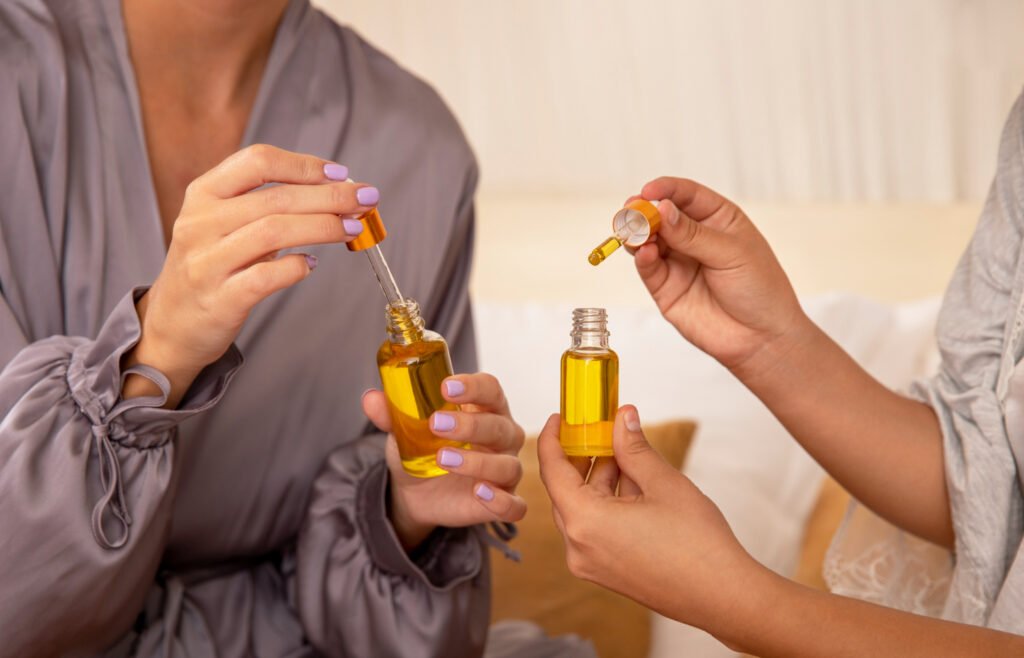
Proper application technique dramatically impacts the effectiveness of which natural oil is best for hair growth for your routine. Begin by selecting your oil or creating a custom blend that addresses your specific needs. Warm a small amount between your palms before application, as warmth helps the oil penetrate more effectively.
Divide your hair into manageable sections to ensure even coverage. Apply oil starting from the scalp and working toward the tips, spending extra time massaging the scalp using gentle circular motions. This massage technique stimulates blood circulation and enhances nutrient delivery to follicles. Ensure even distribution without oversaturating the hair.
For best results, prepare your hair and scalp before oil application by thoroughly cleansing with a gentle clarifying shampoo to remove buildup. This clean foundation allows maximum oil absorption. Apply your chosen oil 3-4 times weekly for consistent results, as the key to success with natural oils is dedication over time.
Leave the oil in for at least 30 minutes or overnight for deep conditioning. Some people prefer warming the oil slightly before application for better penetration. Always dilute pure essential oils like rosemary, peppermint, or lavender with carrier oils before applying to avoid skin irritation.
Comparing Natural Oils for Hair Growth
| Oil Type | Primary Benefit | Scientific Evidence | Application Method | Best For |
|---|---|---|---|---|
| Rosemary Oil | Stimulates growth, matches minoxidil effectiveness | Strong clinical studies | Diluted topical, 3-4x weekly | Pattern hair loss, overall growth |
| Castor Oil | Increases thickness, anti-inflammatory | Moderate research support | Direct topical application | Edges, thickness, damaged areas |
| Peppermint Oil | Boosts circulation dramatically | Animal studies show superiority to minoxidil | Diluted topical | Fast results, circulation issues |
| Lavender Oil | Gentle growth promotion | Solid research evidence | Diluted topical | Sensitive scalps, combination blends |
| Pumpkin Seed Oil | DHT blocking, hormonal balance | Clinical trials | Oral supplement 400mg daily | Hormonal hair loss |
| Coconut Oil | Prevents breakage, strengthens | Well-researched for protein retention | Direct topical, pre-shampoo treatment | Damage prevention, moisture |
This comparison helps you determine the best oil for hair growth based on your specific hair concerns and goals.
Creating Your Custom Hair Growth Oil Blend
Combining multiple oils creates synergistic effects that amplify individual benefits. Research confirms that combination formulas outperform single oils in comprehensive hair health improvement. Start with a carrier oil base like coconut or jojoba (about 80% of your blend), then add growth-stimulating essential oils.
An effective blend might include:
- 2 tablespoons coconut oil (base and strengthening)
- 2 tablespoons castor oil (thickness and growth)
- 10 drops rosemary essential oil (growth stimulation)
- 5 drops peppermint essential oil (circulation boost)
- 5 drops lavender essential oil (scalp health)
Store your custom blend in a dark glass bottle away from direct sunlight. Shake well before each use as essential oils may separate from carrier oils. This personalized approach ensures you receive multiple benefits addressing various aspects of hair health simultaneously.
Monitor your hair’s response over 90 days, as this timeframe allows sufficient evaluation of effectiveness. Track changes in hair density, thickness, growth rate, and overall scalp health to determine if adjustments to your blend are needed.
What to Expect: Realistic Timeline for Results
Understanding realistic expectations prevents discouragement during your hair growth journey. Most clinical studies measuring the best oil for hair growth and thickness evaluate results over 6-24 weeks of consistent use. Initial improvements in scalp health, reduced itching, and decreased hair fall often appear within 2-4 weeks.[emrahcinik]
Visible increases in hair density and thickness typically emerge around the 6-8 week mark with dedicated application. Maximum results appear after 12-24 weeks of regular use, with some studies showing continued improvement through six months. Remember that hair grows approximately half an inch per month under optimal conditions, so patience remains essential.[medicalnewstoday]
Consistency matters more than any single application. Missing frequent applications reduces the cumulative benefits that drive significant change. Think of natural oil treatments as a long-term investment in hair health rather than a quick fix.
Safety Considerations and Precautions
While natural oils generally offer safe hair care options, certain precautions ensure the best experience. Always dilute pure essential oils before applying to the scalp, as concentrated forms can cause irritation or allergic reactions. A typical dilution ratio uses 3-5 drops of essential oil per tablespoon of carrier oil.
Perform a patch test before using any new oil by applying a small amount to your inner forearm and waiting 24 hours to check for reactions. Avoid getting oils in your eyes, and if contact occurs, rinse thoroughly with water. Pregnant or nursing women should consult healthcare providers before using essential oils like rosemary or peppermint.
Some oils can make hair appear greasy if overapplied, so start with small amounts and increase gradually as needed. If you experience persistent scalp irritation, discontinuation and consultation with a dermatologist is recommended. Natural oils complement but do not replace medical treatment for serious hair loss conditions.
Frequently Asked Questions
Which natural oil is best for hair growth?
Rosemary oil stands out as the best oil for hair growth based on scientific research, performing equally to 2% minoxidil in clinical studies. Castor oil and peppermint oil also show strong evidence for promoting growth and thickness. The ideal choice depends on your specific hair concerns and whether you prefer topical application or oral supplements like pumpkin seed oil. sciencedirect
How long does it take for natural oils to make hair grow faster?
Most people begin noticing improvements in scalp health within 2-4 weeks of consistent use. Visible increases in hair density and growth typically appear around 6-8 weeks, with maximum results emerging after 12-24 weeks of regular application. Consistency is crucial, as missing applications reduces the cumulative benefits that drive significant change.[sciencedirect
Can I mix different natural oils together for hair growth?
Yes, combining multiple oils creates synergistic effects that often produce better results than single oils alone. Research shows that blends like rosemary-lavender or rosemary-castor significantly outperform individual oils for improving hair growth rate, thickness, and density. Create blends using carrier oils as the base (coconut, jojoba) and adding growth-stimulating essential oils (rosemary, peppermint, lavender).
Do I need to wash hair after applying natural oils?
The approach depends on your hair type and the oils used. Lightweight oils like argan or jojoba can be left in as leave-in treatments, while heavier oils like castor typically require washing out after 30 minutes to several hours. Many people apply oils as pre-shampoo treatments, leaving them on for 30 minutes to overnight before washing with a gentle shampoo.
Are natural oils better than commercial hair growth products?
Studies show that certain natural oils, like rosemary oil, perform comparably to minoxidil, the active ingredient in commercial products, with fewer side effects. Natural oils offer the advantage of multiple benefits, including scalp health, reduced inflammation, and protection against damage. However, severe hair loss conditions may require medical treatments, and natural oils work best as part of a comprehensive hair care approach.
Which oil works fastest for hair growth?
Peppermint oil demonstrated the most rapid results in research studies, showing 92% hair growth promotion at the four-week mark compared to 55% for minoxidil. However, which natural oil is best for hair growth speed varies by individual factors including genetics, overall health, and consistency of application. Combining fast-acting oils like peppermint with sustained-growth oils like rosemary often produces optimal results.
Can natural oils prevent hair loss?
Natural oils help prevent hair loss by addressing multiple contributing factors including scalp inflammation, poor circulation, DHT hormone effects, and hair breakage. Rosemary oil blocks DHT similarly to medications, while castor oil reduces inflammation that damages follicles. While oils support hair retention and scalp health, medical evaluation is recommended for sudden or severe hair loss.