Your hair deserves better than products that leave it lifeless, frizzy, or damaged. Finding the best shampoo and conditioner transforms your hair care routine from a daily struggle into a confidence-boosting ritual that delivers visible results.
Understanding Your Hair’s Unique Needs
Hair care isn’t one-size-fits-all. The best shampoo and conditioner for your friend might wreak havoc on your strands. Your hair type, scalp condition, and styling habits determine which products will work miracles versus which will disappoint.
Fine hair craves volume without greasiness. Curly hair demands moisture retention. Color-treated strands need protective formulas. Damaged hair begs for repair at the molecular level.
Decoding Hair Type Categories
Normal hair maintains natural shine and doesn’t feel overly oily or dry between washes. Dry hair appears dull and develops split ends easily. Oily hair looks greasy within 24 hours of washing. Combination hair exhibits oiliness at the roots but dryness at the ends.
Understanding these distinctions guides you toward formulas that address your specific challenges rather than creating new problems.
Key Ingredients That Actually Work
The best shampoo and conditioner formulas contain science-backed ingredients that strengthen, hydrate, and protect your strands.
Hyaluronic acid draws moisture into hair shafts, plumping each strand from within. Ceramides seal the cuticle and prevent moisture loss. Amino acids rebuild protein structures that give hair its strength. Botanical oils like coconut, argan, and avocado deliver nourishment without synthetic heaviness.
Ingredients to Avoid
Sulfates strip natural oils aggressively, leaving hair dry and brittle. Parabens disrupt hormonal balance. Silicones create temporary smoothness but cause buildup over time. Synthetic fragrances trigger scalp irritation in sensitive individuals.
Reading ingredient labels saves you from products that promise transformation but deliver disappointment.
Top Performing Formulas by Hair Concern
| Hair Concern | Recommended Approach | Key Benefits |
|---|---|---|
| Damaged Hair | Bond-building formulas with proteins | Repairs broken molecular bonds, reduces breakage |
| Dry Hair | Moisture-rich formulas with hyaluronic acid | Deep hydration, prevents brittleness |
| Oily Scalp | Lightweight cleansers with zinc pyrithione | Controls sebum production, extends freshness |
| Curly Hair | Sulfate-free with botanical oils | Defines curls, eliminates frizz, retains bounce |
| Fine Hair | Volumizing formulas without heavy oils | Adds body, prevents flat appearance |
| Color-Treated | pH-balanced with UV protection | Extends color vibrancy, prevents fading |
Professional vs. Drugstore: What Really Matters
Price doesn’t always indicate quality. Some budget-friendly options outperform luxury brands in blind testing. The best shampoo and conditioner combinations focus on ingredient quality rather than packaging aesthetics.
Professional salon brands often contain higher concentrations of active ingredients. Drugstore formulas have improved dramatically, incorporating technologies once exclusive to premium lines. Dermatologists emphasize therapeutic benefits over brand prestige when recommending products.
Budget-Friendly Winners That Deliver
Several affordable formulas compete with high-end products. These options prove that effective hair care doesn’t require financial sacrifice. Look for products with ingredient lists that prioritize active compounds over fillers and fragrances.
Matching Shampoo and Conditioner for Maximum Results
Using the best shampoo and conditioner from the same product line creates synergistic benefits. Formulas designed together work at compatible pH levels and reinforce each other’s active ingredients.
However, mixing brands sometimes addresses multiple concerns simultaneously. Pair a clarifying shampoo with an intensive conditioner for deep-cleaning without stripping. Combine a volumizing shampoo with a lightweight conditioner to maintain body while preventing tangles.
Application Techniques That Amplify Performance
Even the best shampoo and conditioner underperforms with improper application. Technique matters as much as product selection.
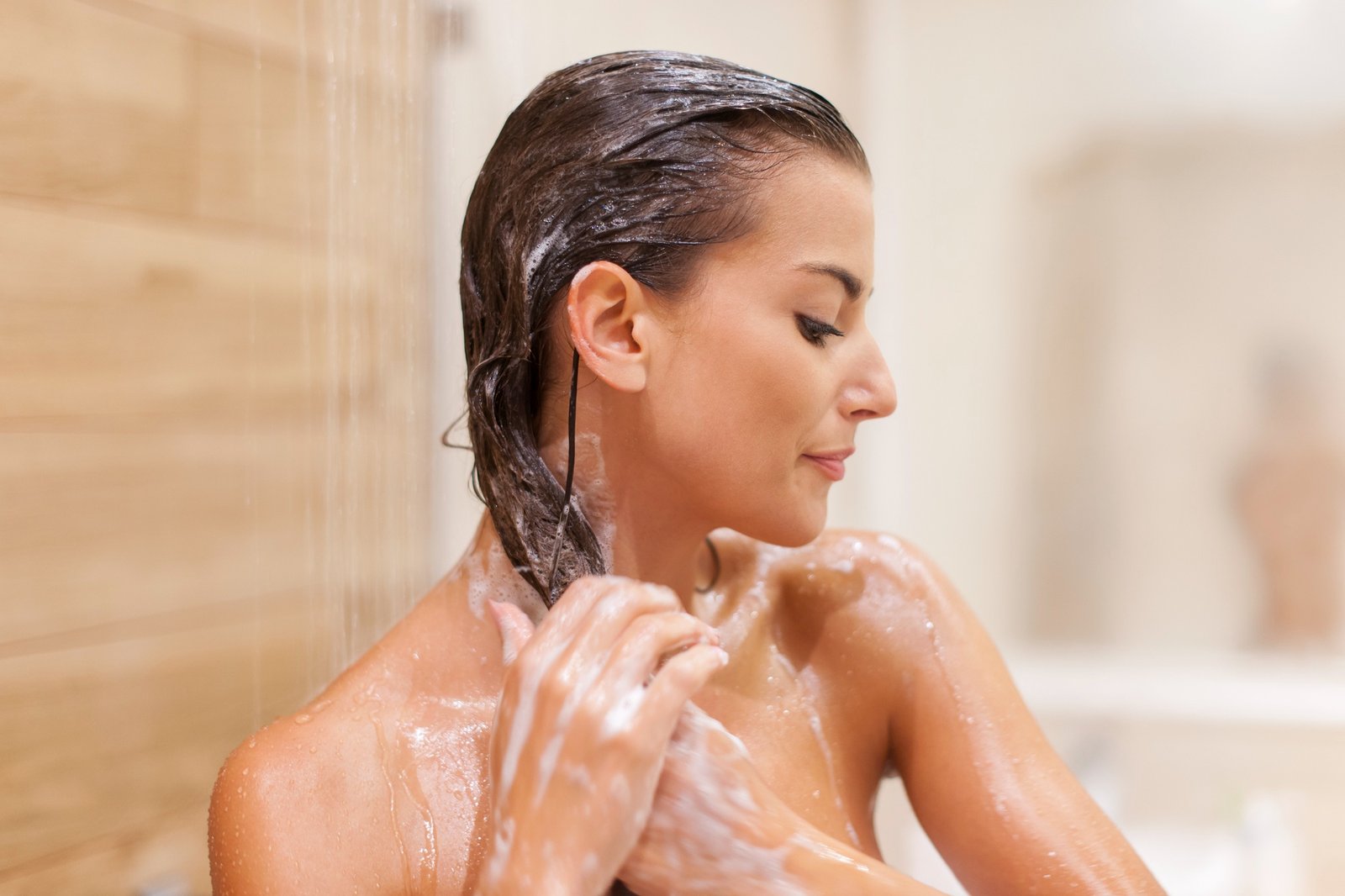
Shampoo application: Wet hair thoroughly with warm water. Apply a quarter-sized amount to your scalp only. Massage for 60 seconds using fingertips, not nails. Let suds flow through lengths naturally. Rinse completely with cool water to seal cuticles.
Conditioner application: Squeeze excess water from hair. Apply conditioner from mid-lengths to ends, avoiding roots. Use a wide-tooth comb to distribute evenly. Wait three minutes before rinsing. Cold water final rinse adds extra shine.
Specialized Solutions for Common Problems
Dandruff and Scalp Conditions
Medicated formulas containing ketoconazole, selenium sulfide, or zinc pyrithione target fungal overgrowth that causes flaking. The National Eczema Association provides guidance for scalp eczema management through proper product selection.
Hair Loss and Thinning
Stimulating ingredients like caffeine and peptides increase blood flow to follicles. Bond-building technologies strengthen existing strands to prevent breakage-related thinning.
Frizz and Humidity Damage
Anti-humidity formulas create protective barriers around each strand. Smoothing conditioners with argan oil seal cuticles against moisture penetration.
Natural and Organic Options
Plant-based formulas eliminate synthetic chemicals while delivering comparable results. The best shampoo and conditioner in natural categories avoid sulfates, parabens, and silicones without sacrificing performance.
Coconut-derived cleansers create luxurious lather. Botanical extracts provide antioxidant protection. Essential oils offer natural fragrance and therapeutic scalp benefits.
Color-Treated Hair Requires Special Attention
Chemical processing weakens hair structure at the molecular level. Color-safe formulas maintain vibrancy while repairing damage. Acidic pH levels close cuticles to lock in color molecules and prevent premature fading.
UV filters protect against sun damage that causes brassiness in blonde hair and dullness in brunette shades.
Building Your Perfect Hair Care Routine
The best shampoo and conditioner routine extends beyond these two products. Weekly deep conditioning treatments intensify repair. Clarifying shampoos remove buildup monthly. Leave-in conditioners provide ongoing protection between washes.
Consistency delivers results. Give new products three weeks before judging effectiveness, as hair adjusts to different formulations gradually.
Frequently Asked Questions
How often should I use the best shampoo and conditioner?
Wash frequency depends on hair type and lifestyle. Oily hair benefits from daily washing. Normal to dry hair thrives with washing every two to three days. Over-washing strips natural oils regardless of product quality.
Can I use different brands of shampoo and conditioner together?
Absolutely. Mixing brands lets you target multiple concerns simultaneously. Ensure both products suit your hair type for optimal compatibility.
What makes sulfate-free formulas better?
Sulfates cleanse aggressively, which strips color and natural oils. Sulfate-free alternatives clean gently while preserving hair health, though they produce less lather.
How much product should I use per wash?
A quarter-sized amount of shampoo suffices for medium-length hair. Double for long or thick hair. Use slightly more conditioner than shampoo, focusing on mid-lengths and ends.
Do expensive shampoos work better than affordable options?
Not necessarily. Ingredient quality matters more than price. Some drugstore brands outperform luxury alternatives in clinical testing.
Should I change my shampoo and conditioner seasonally?
Hair needs shift with climate changes. Winter demands extra moisture. Summer requires lightweight formulas and UV protection. Adjusting products seasonally optimizes results.
How long before I see results from new products?
Most people notice initial changes within one week. Full benefits emerge after three to four weeks of consistent use as hair adjusts to new formulations.