
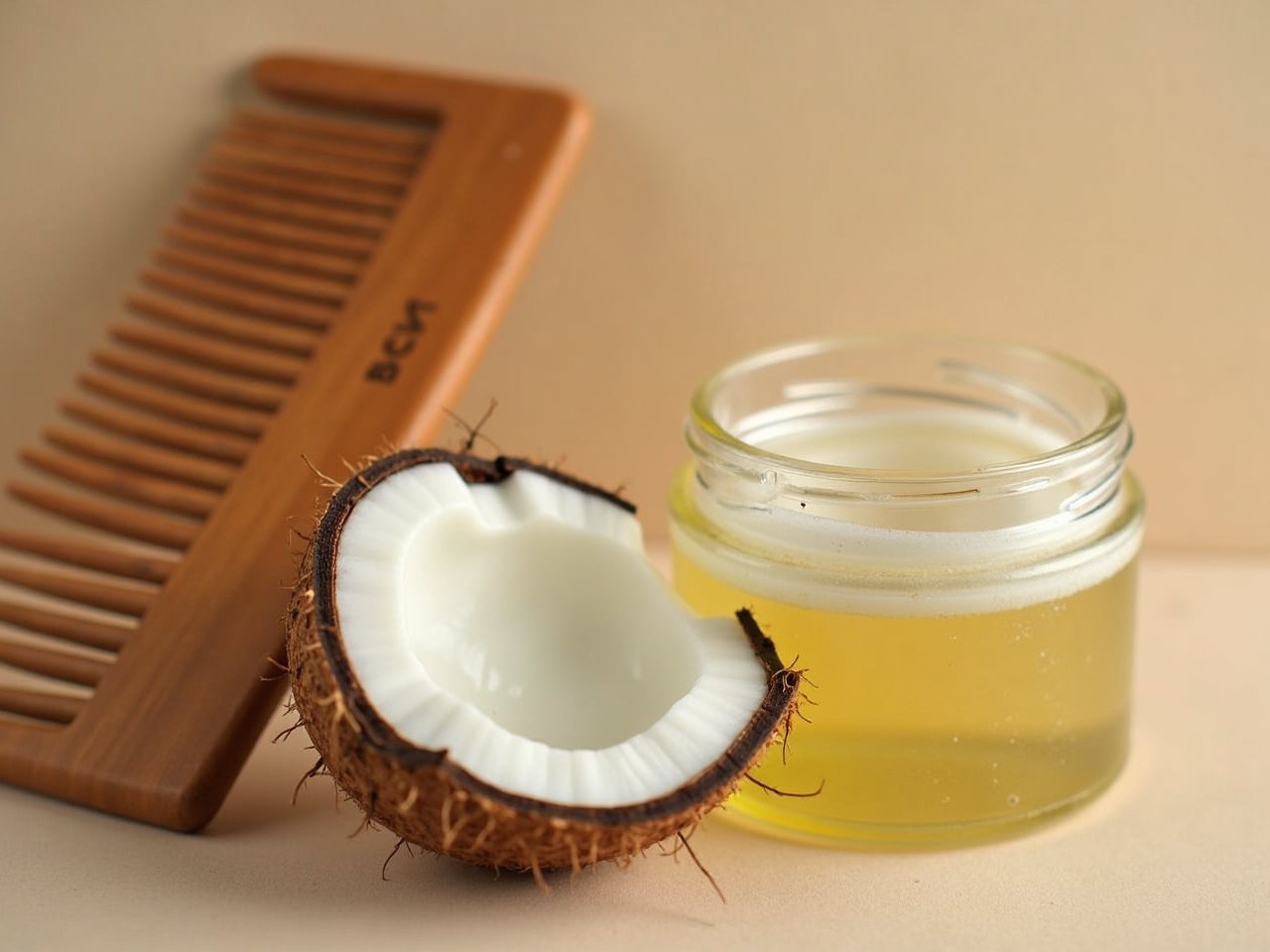
When people ask me about Coconut oil for hair growth, I give a straight answer: I would choose virgin, unrefined, cold-pressed coconut oil first. Research suggests coconut oil helps reduce protein loss, lower breakage, and improve scalp and hair condition, but there is not solid evidence that it directly makes hair grow faster from the follicle.
I still like Coconut oil for hair growth because healthier strands break less, feel softer, and often look fuller over time. In real life, that matters because many of us do not need magic; we need less shedding from dryness and less snap from damage.
Why I Choose Virgin Coconut Oil
If I am buying Coconut oil for hair growth, I look for virgin or unrefined on the label because expert guidance favors that type over refined coconut oil for hair use. Cold-pressed oil also tends to be the better choice when I want a less processed option.
Here is how I keep it simple:
| Type | My take |
|---|---|
| Virgin coconut oil | Best overall for Coconut oil for hair growth and thickness support because it is less processed. |
| Unrefined coconut oil | Great choice when I want the oil as close to its natural state as possible. |
| Cold-pressed coconut oil | My preferred version within virgin oil because it is usually processed more gently. |
| Refined coconut oil | Usable, but not my first pick for Coconut oil for hair growth. |
What Coconut Oil Really Does for Hair
I think this is where many blog posts get a little too dreamy. Coconut oil for hair growth sounds like a miracle phrase, but the stronger evidence shows it helps the hair fiber more than the follicle.
That still counts for a lot. Coconut oil can penetrate the hair shaft, reduce protein loss, help prevent split ends, and protect against some damage from washing and styling. When my hair breaks less, it looks longer and thicker even if the growth rate itself has not changed.
So when I talk about Coconut oil for hair growth, I mean this in an honest way:
- It may help hair look fuller.
- It may help hair stay on the head longer by reducing breakage.
- It may support a healthier scalp.
- It does not have strong proof as a true regrowth treatment.
My Best Pick for Thickness
For Coconut oil for hair growth and thickness, I would buy a jar labeled 100% virgin, unrefined, cold-pressed coconut oil with no fragrance and no added mineral oil. That is the cleanest and most useful version for a basic hair routine.
If my hair is thick, curly, coarse, or damaged, this type usually works well because it gives richer moisture and protection. If my hair is very fine, I use less of it because some sources note that lighter coconut oil options may feel better and weigh hair down less.
The Hair Type Rule I Follow
I do not use the same amount on every head of hair. That never works.
- Fine hair: I use a tiny amount and keep it away from the roots if buildup is a problem.
- Thick or coarse hair: I use more and leave it on longer as a pre-wash treatment.
- Dry or damaged hair: I treat Coconut oil for hair growth as a strength-and-protection step, not a miracle cure.
How I Use Coconut Oil Without Making My Hair Greasy
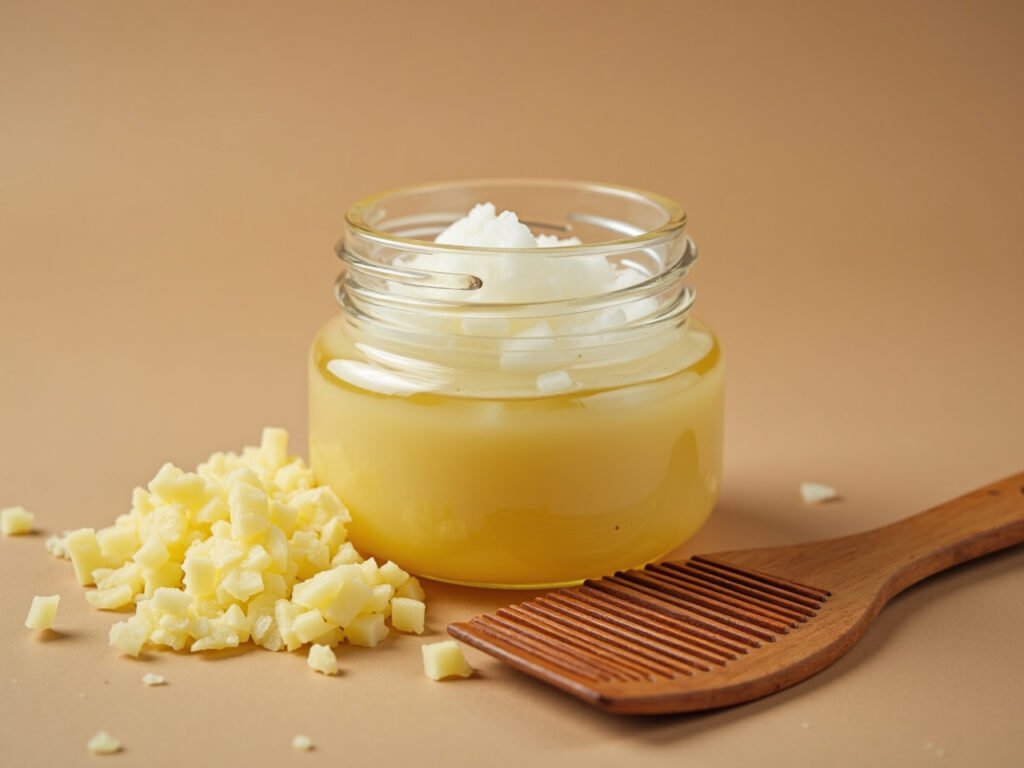
This is the part nobody tells you soon enough. Too much coconut oil can make hair limp, greasy, or hard to wash out, and it can also clog pores or irritate the scalp in some people.
My favorite method for Coconut oil for hair growth is pre-wash treatment. I warm a small amount, massage it gently into my scalp, pull the rest through the lengths, leave it in for about 30 minutes to a few hours, then shampoo it out well. hairdoctors.com
My Simple Routine
- Scoop a small amount into a bowl.
- Warm it until it feels soft, not hot.
- Massage it into the scalp with fingertips.
- Work it through the hair from root to ends or just mid-lengths to ends.
- Leave it in for 30 minutes or longer, depending on hair thickness.
- Wash it out thoroughly with shampoo.
That is how I use Coconut oil for hair growth without turning wash day into a mess.
A Real-Life Example From My Routine
I had a stretch where my hair looked dull, frizzy, and honestly thinner than usual at the ends. Not because my scalp suddenly gave up. My hair was just breaking. So I started using Coconut oil for hair growth once or twice a week as a pre-shampoo treatment, mostly on the mid-lengths and ends.
After a while, I noticed less snapping during detangling, less roughness, and a fuller look near the bottom. That does not prove new growth. It shows what the research already hints at: when hair holds onto moisture better and loses less protein, it can look stronger, shinier, and thicker. vogue
When Coconut Oil Is Not Enough
I like Coconut oil for hair growth, but I would never pretend it fixes every kind of thinning. If hair loss is tied to hormones, nutrient deficiencies, illness, or a scalp condition, oil alone is not the answer.
Healthline notes that hair thinning can be linked to low levels of nutrients such as biotin, iron, and vitamins like D, A, and E. That is one reason I think it makes sense to look beyond the jar when shedding feels excessive or sudden.
You can also read more from Healthline’s guide to coconut oil for hair growth, the American Academy of Dermatology hair loss information, and MedlinePlus on hair loss for broader medical context.
What I Look For on the Label
When I shop for Coconut oil for hair growth, I want the label to be boring in the best way.
- 100% coconut oil.
- Virgin or unrefined.
- Cold-pressed.
- No added fragrance, dyes, or mineral oil.
If I see a long ingredient list, I pause. For Coconut oil for hair growth, simple usually wins.
My Honest Recommendation
If a friend asked me what to buy today, I would say this: choose virgin, unrefined, cold-pressed coconut oil if your goal is stronger-looking, softer, fuller hair. I would use Coconut oil for hair growth mainly to reduce breakage, support scalp comfort, and keep the hair shaft in better shape.
I would not sell it as a regrowth miracle. I would call it what it is: a useful, affordable hair-care staple that can help hair look thicker when damage and dryness are part of the problem. That is still a pretty strong reason to keep a jar in the bathroom.
FAQ
Which coconut oil is best for hair growth and thickness?
I would choose virgin, unrefined, cold-pressed Coconut oil for hair growth because that type is commonly recommended over refined coconut oil for hair care. It is the version I trust most for reducing dryness and breakage that can make hair look thin.
Does coconut oil actually regrow hair?
There is not strong evidence that Coconut oil for hair growth directly regrows hair faster from the root. The better-supported benefit is reduced protein loss, less breakage, and better moisture retention.
Can coconut oil make hair thicker?
It can help hair look thicker by improving softness, shine, and strength while reducing breakage and split ends. That is why Coconut oil for hair growth is often more about hair retention than true regrowth.
How often should I use coconut oil on my hair?
I would start with once or twice a week as a pre-wash treatment. With Coconut oil for hair growth, more is not always better because overuse can leave the scalp and hair greasy.
Is coconut oil good for fine hair?
Yes, but I use a very small amount. Some guidance says lighter options may work better for fine hair because rich coconut oil can weigh it down.
Should I apply coconut oil to the scalp or just the hair?
I usually do both in moderation, but if my scalp gets oily or irritated easily, I focus more on the lengths. With Coconut oil for hair growth, the goal is gentle support, not heavy buildup.