Which Adivasi Hair Oil is Best for Hair Growth: Are you struggling with hair fall, thinning hair, or slow growth, and wondering if Adivasi hair oil could be your solution? With countless brands flooding the market claiming miraculous results, finding the best adivasi herbal hair oil for hair growth has become increasingly challenging. This comprehensive guide cuts through the marketing noise to help you understand what works, what doesn’t, and how to identify genuine products that deliver real results.
Understanding Adivasi Hair Oil
Adivasi hair oil refers to traditional herbal hair oils marketed as being based on indigenous tribal formulations from India. The term “adivasi” means indigenous or tribal people in Hindi, and these oils claim to use ancient wisdom passed down through generations. These formulations typically combine Ayurvedic herbs with carrier oils to address various hair concerns, including hair fall, dandruff, premature graying, and slow growth.hairfreehairgrow
The popularity of adivasi herbal hair oil has surged in recent years, particularly through social media marketing and influencer endorsements. However, this surge has also led to a flood of counterfeit products making exaggerated claims without scientific backing.
Key Ingredients That Make Adivasi Hair Oil Effective
The effectiveness of any adivasi hair oil depends primarily on its ingredient quality and formulation method. Genuine formulations contain powerful Ayurvedic herbs known for their hair-nourishing properties.
Primary Active Ingredients
Bhringraj stands out as the most important ingredient in authentic adivasi herbal hair oil formulations. Often called the “King of Herbs” for hair care, bhringraj stimulates hair follicles, reduces dandruff, and strengthens hair from the roots. It contains Vitamin E which nurtures hair from within, fights free radicals, and adds natural luster while preventing hair loss.
Amla (Indian gooseberry) serves as a powerhouse ingredient rich in Vitamin C. It strengthens hair follicles, supports healthy growth, and adds natural shine to your hair. The antioxidant properties in amla help combat oxidative stress and protect hair follicle cells from damage caused by free radicals.
Neem provides essential antifungal and antibacterial properties that keep your scalp healthy and free from infections. It contains azadirachtin and nimbidin alkaloids with anti-inflammatory properties that reduce scalp inflammation and prevent infections that may worsen hair loss.
Supporting Herbs and Oils
Quality adivasi hair oil formulations include additional herbs like Hibiscus for conditioning and preventing split ends, Brahmi for moisturizing properties, and Ashwagandha for strengthening hair roots. The carrier oils typically include coconut oil for moisture retention, sesame oil for nourishment, and castor oil for promoting thickness.
Top Adivasi Hair Oil Brands Reviewed
Finding authentic adivasi herbal hair oil requires careful evaluation of available brands. Here are comprehensive reviews of leading options based on ingredients, user feedback, and authenticity markers.[adivasioriginals]
Deemark Adivasi Herbal Hair Oil
Deemark offers a comprehensive formulation containing Bhringraj, Shankhpushpi, Ashwagandha, Amla, and Harar in a base of til oil and coconut oil. The product claims to improve blood circulation to roots, control hair fall, and increase hair thickness and strength.
User reviews indicate mixed results, with some customers reporting reduced hair fall within two weeks and visible thickness improvements. The oil is described as light, non-sticky, and pleasant-smelling with herbal notes. However, like many adivasi hair oil products, scientific validation of specific claims remains limited.
Ivory Natural Adivasi Hair Fall Oil
Ivory Natural markets their adivasi herbal hair oil as a lightweight, non-sticky solution enriched with natural ingredients. The formulation includes Flex Seed, Dandelion, Black Tea, Nettle, Bhringraj, Shikakai, Amla, Castor, Hibiscus, Ashwagandha, Neem, Jasmine, and Rosemary.
Customer testimonials suggest improved scalp circulation leading to healthier hair growth and reduced breakage. Users report faster growth and increased hair density, with noticeable improvements in hair strength and resilience. The oil stimulates blood flow to the scalp, promoting nutrient delivery to hair follicles.
Adivasi Originals Hair Oil
Based in Karnataka’s Hunsur Taluk, Adivasi Originals emphasizes authenticity with specific verification methods. Genuine products come with a trusted brand seal, GST invoice with brand name, official packing tape with brand details, and ship exclusively from Karnataka.
The brand focuses heavily on combating counterfeits and provides clear guidelines for identifying authentic products. This transparency regarding sourcing and authentication sets them apart in a market flooded with fake products.
Comparing Adivasi Hair Oil Benefits and Limitations
| Claimed Benefit | Scientific Support | Realistic Expectation |
|---|---|---|
| Controls hair fall | Moderate – ingredients like bhringraj show promise | May reduce fall with consistent use over weeks |
| Promotes new hair growth | Limited – works better for preserving existing hair | Can strengthen existing follicles, unlikely to regenerate dead ones |
| Treats dandruff | Low – excess oil can increase dandruff | Antimicrobial ingredients may help, but daily use risks worsening |
| Reverses baldness | None – scientifically unsupported | Cannot restart dormant follicles or cure pattern baldness |
| Increases thickness | Moderate – nourishment improves hair quality | Existing hair may appear thicker and stronger |
How to Identify Genuine Adivasi Hair Oil
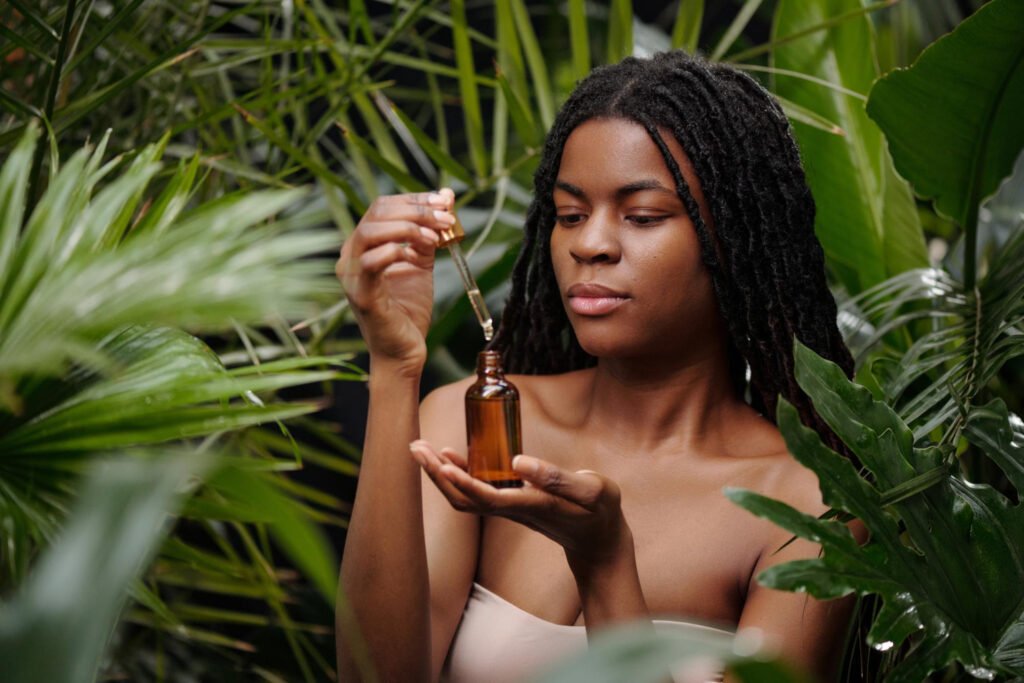
The adivasi hair oil market is plagued with counterfeit products that use inferior ingredients while making bold claims. Learning to distinguish authentic oils from fakes protects both your money and hair health.
Verification Checklist
Check for a trusted brand seal on the outer packaging that ensures the product hasn’t been tampered with. Reject any package with a broken or missing seal immediately.
Verify the GST invoice includes the GST number, company name, and brand name. Fake sellers typically provide poorly printed invoices without proper brand details or skip the invoice entirely.
Confirm the shipping source matches the brand’s claimed origin. For instance, Adivasi Originals ships exclusively from Hunsur Taluk in Mysore District, Karnataka. Parcels from other locations should raise red flags.
Look for QR codes and barcodes on packaging, along with trademark symbols in the brand name. Examine the packing tape for official branding, contact numbers, and GST details.
Red Flags Indicating Fake Products
Be wary of adivasi herbal hair oil sold at suspiciously low prices compared to established brands. Counterfeit products often contain harmful ingredients like mineral oil and synthetic perfumes instead of genuine herbs.
Products claiming to cure all hair problems including baldness, dermatitis, dandruff, and itching with one oil are making unrealistic promises. No single oil can address every hair concern effectively.
Avoid products that lack transparency about their manufacturing process, ingredient sources, or company registration details.
Proper Application Methods for Maximum Results
Using adivasi hair oil correctly significantly impacts the results you achieve. Following proper application techniques ensures maximum absorption and effectiveness.
Application Frequency
Apply the oil at least three to four times per week for best results, though daily application is also acceptable. Consistency matters more than frequency when using adivasi herbal hair oil.
Step-by-Step Application Process
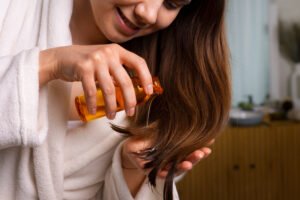
Begin with dry or slightly damp hair for better oil penetration. Take a small amount of adivasi hair oil in your palms and warm it by rubbing your hands together.
Part your hair into sections and apply the oil directly to your scalp using your fingertips. Massage gently in circular motions for five to ten minutes to stimulate blood circulation and promote nutrient absorption.
Work the remaining oil through the length of your hair, focusing on the ends to prevent split ends and dryness. Leave the oil overnight for deep nourishment.
Wash your hair the next morning using a mild or herbal shampoo to remove the oil without stripping natural moisture. Avoid harsh chemical shampoos that can negate the benefits of the herbal oil.
Potential Side Effects and Precautions
While adivasi herbal hair oil formulations use natural ingredients, they’re not risk-free for everyone. Understanding potential reactions helps you use these products safely.
Common Side Effects
Some individuals experience temporary scalp irritation, itchiness, or redness due to sensitivity to certain herbs. These reactions typically occur when starting a new product or with prolonged use.
Allergic reactions, though rare, can still occur. Symptoms may include severe itching, burning sensations, or rash development on the scalp.
Prolonged use of certain adivasi hair oil formulations may cause hair discoloration, particularly in individuals with lighter hair colors. This typically results from herbs like henna or indigo present in the formulation.
Safety Precautions
Always perform a patch test before full application. Apply a small amount of oil to your inner forearm or behind your ear and wait 24 hours to check for any adverse reactions.
Individuals with sensitive skin or known allergies should review the complete ingredient list carefully before using adivasi herbal hair oil. Consult a dermatologist if you have existing scalp conditions.
Avoid daily application if you’re prone to dandruff or have an oily scalp. Excess oil creates a moist environment where fungi and bacteria thrive, potentially worsening scalp conditions.
The Truth About Ayurvedic Preparation Methods
Authentic adivasi hair oil should follow traditional Ayurvedic preparation methods to maximize herb potency. However, many commercial products use shortcuts that reduce effectiveness.
Traditional vs. Modern Methods
Genuine Ayurvedic oils require herbs to be processed into decoctions or juices before combining with oil in a specific manner. This careful process preserves and activates the beneficial properties of the herbs.
Many commercial adivasi herbal hair oil products simply fry dry or fresh herbs directly in hot oil. This crude method likely destroys much of the herbs’ beneficial properties, making the final product far less potent than claimed.
The base oils used also matter significantly. Pure, cold-pressed coconut, sesame, or almond oils provide better results than refined or processed alternatives. Some manufacturers use lower-quality oils to reduce costs while still marketing products as premium.
Alternative Approaches to Hair Growth
If you’re skeptical about commercial adivasi hair oil products or want to ensure quality, consider alternatives that offer similar benefits.
Pure Single Oils
Using pure oils like sesame oil, coconut oil, or mustard oil provides reliable benefits without concerns about authenticity or additives. For dry scalps, mix 80% of any base oil with 20% castor oil for a balanced, effective solution.
These simple formulations lack the marketing appeal of branded adivasi herbal hair oil, but they deliver consistent nourishment without the risk of harmful additives found in counterfeit products.
DIY Herbal Oil Infusions
Creating your own herbal hair oil at home ensures ingredient quality and proper preparation methods. Purchase verified organic herbs like bhringraj, amla, and neem separately, then infuse them into your chosen carrier oil using traditional Ayurvedic methods.[hairfreehairgrow]
While this approach requires more effort than buying ready-made adivasi hair oil, it guarantees authenticity and allows customization based on your specific hair needs.
Realistic Expectations for Hair Growth
Setting realistic expectations prevents disappointment when using adivasi herbal hair oil products. Understanding what these oils can and cannot achieve helps you make informed decisions.
What Hair Oils Can Do
Quality adivasi hair oil formulations can strengthen existing hair, making it more resilient to breakage and damage. The nourishing ingredients improve hair texture, add shine, and reduce split ends
These oils preserve and enhance the health of existing hair better than they encourage growth in areas where follicles have stopped functioning. They work by improving scalp health, increasing blood circulation, and providing essential nutrients to active follicles.
For individuals experiencing temporary hair fall due to stress, nutritional deficiencies, or environmental factors, consistent use of adivasi herbal hair oil may help reduce shedding and support recovery.
What Hair Oils Cannot Do
No hair oil, regardless of its formulation, can regenerate hair in completely bald areas where follicles have died. Claims that adivasi hair oil can cure pattern baldness or make hair grow on bald patches lack scientific support.
These oils cannot reverse graying or turn white hair black permanently. While some herbs may temporarily darken hair, this effect doesn’t address the underlying causes of premature graying.
Single oils cannot cure all hair problems simultaneously. Different conditions like severe dandruff, dermatitis, or hormonal hair loss require specific treatments that go beyond topical oil application.
Cost Considerations and Value Assessment
Adivasi herbal hair oil products typically range in pricing, though exact amounts vary by brand and retailer. Evaluating whether these products offer good value requires considering ingredient quality, effectiveness, and authentic sourcing.
Evaluating True Value
Compare the ingredient list against the price point. Products using genuine, high-quality herbs and pure base oils justify higher prices, while those containing synthetic ingredients or mineral oil do not.
Consider the volume provided and recommended usage frequency. An oil requiring daily application will last shorter than one used three times weekly, affecting overall cost-effectiveness.
Factor in authenticity verification measures. Brands investing in proper sealing, documentation, and quality control demonstrate commitment to genuine products worth premium pricing.
Budget-Friendly Alternatives
Pure single oils or simple DIY blends offer excellent results at lower costs than branded adivasi hair oil products. A bottle of pure coconut or sesame oil combined with separately purchased herbs provides authentic Ayurvedic benefits without marketing markup.
Frequently Asked Questions
Does adivasi hair oil really work for hair growth?
Adivasi hair oil can support hair growth by nourishing existing follicles and improving scalp health, but results vary significantly based on product authenticity and individual hair conditions. These oils work better at preserving and enhancing existing hair than encouraging new growth in areas where follicles have stopped functioning. Consistent use over several weeks to months shows the best results for reducing hair fall and improving hair quality.
How long does it take to see results from adivasi herbal hair oil?
Most users report noticeable improvements in hair fall reduction within two to four weeks of regular use. However, significant changes in hair thickness, growth rate, or overall health typically require consistent application for two to three months. Individual results depend on the underlying cause of hair issues, product quality, and application consistency.
Can adivasi hair oil cure baldness or regrow hair on bald patches?
No, adivasi hair oil cannot cure pattern baldness or regrow hair where follicles have permanently stopped functioning. Claims suggesting these oils can regenerate hair on completely bald areas lack scientific backing and are often marketing exaggerations. These products work best for strengthening existing hair and supporting active follicles, not reviving dead ones.
Are there any side effects of using adivasi herbal hair oil?
Most users tolerate adivasi herbal hair oil well, but potential side effects include temporary scalp irritation, itchiness, or redness, particularly in individuals with sensitive skin. Rare allergic reactions can occur, making patch testing essential before full application. Daily use may worsen dandruff in some individuals by creating excess moisture on the scalp.
How can I identify genuine adivasi hair oil from fake products?
Verify genuine adivasi hair oil by checking for a trusted brand seal on packaging, a proper GST invoice with brand details, and confirmation that shipping originates from the claimed location. Look for QR codes, barcodes, and trademark symbols, and examine the packing tape for official branding. Be cautious of suspiciously low prices, exaggerated claims, and products lacking transparency about manufacturing or ingredients.
How often should I apply adivasi hair oil for best results?
Apply adivasi herbal hair oil at least three to four times per week for optimal results, though daily application is also acceptable for most people. Massage the oil into your scalp gently, leave it overnight, and wash with a mild shampoo the following morning. Individuals prone to oily scalp or dandruff should limit frequency to avoid creating excess moisture.
What ingredients should I look for in quality adivasi hair oil?
Quality adivasi hair oil should contain proven Ayurvedic herbs like Bhringraj (for follicle stimulation), Amla (for strengthening), Neem (for scalp health), and Hibiscus (for conditioning). Look for pure carrier oils such as coconut, sesame, or castor oil rather than mineral oil or synthetic fragrances. Additional beneficial ingredients include Brahmi, Ashwagandha, Shikakai, and rosemary.
Is adivasi hair oil suitable for all hair types?
Most adivasi herbal hair oil formulations work for various hair types, but effectiveness depends on individual needs and scalp conditions. People with very oily scalps may find daily application too heavy, while those with dry hair benefit from frequent use. Always perform a patch test regardless of hair type to ensure you don’t have sensitivities to specific herbs.