As an Amazon Associate, we earn from qualifying purchases. If you buy through links on this page, we may earn a commission at no extra cost to you.
By Vimalanathan. About the author: Vimalanathan is the founder of Hair Health Cares. He researches ingredients, dermatology guidance, and independent reviews to help readers compare hair and skin care without hype. Learn more on our About page.
Last checked: October 14, 2026. Prices, availability, ingredients, and specs change frequently. Please verify the price, ingredients, and usage instructions on the retailer / manufacturer page before buying.
How we picked: This health & fitness guide is based on research synthesis, not hands-on testing. We compared ingredients, evidence, safety, price, and user feedback.
Medical disclaimer: Informational only, not medical advice. Talk to a dermatologist / doctor before starting any treatment, especially for hair loss, skin conditions, or if pregnant / nursing. Stop use if irritation occurs. General information only. Talk to your doctor before starting a new exercise routine, especially if you have heart, blood pressure, blood sugar, joint, or pregnancy-related conditions.
When I say health & fitness changed my life, I don’t mean I turned into some shredded superhero overnight. I mean I stopped feeling tired all the time, my mood calmed down, and I finally felt like my body and brain were on the same team. If you’ve ever looked in the mirror and thought, “I really need to do something,” but didn’t know where to start, this is for you. health.harvard
I’m going to walk you through how I think about health & fitness, how to build a realistic routine, and then I’ll compare some home fitness tools that actually help when you’re busy, tired, and juggling real life. We’ll also talk about creating your own fitness content, inspired by that kind of “film in the gym, change angles, tell your story” style you see on social media.
What Health & Fitness Really Mean (In Real Life)
When you strip away all the marketing and filters, health & fitness come down to a few simple things:
- Your body works well enough to do what you need and want to do.
- Your mind isn’t constantly fighting you with stress, anxiety, or exhaustion.
- You’re building a future where walking stairs at 60 doesn’t feel like climbing a mountain.
Health is about your heart, blood pressure, blood sugar, sleep, mood, digestion, and long‑term disease risk.
Fitness is about how capable you are: walking fast, carrying groceries, playing with kids, lifting things, or banging out a workout without collapsing.
Regular physical activity helps control weight, boosts mood, improves sleep, and cuts your risk of heart disease, stroke, diabetes, depression, and some cancers. That’s huge. And the crazy part? You don’t need perfect workouts to get those benefits.
Why Health & Fitness Feels So Hard
Let me guess. You see fitness influencers with perfect lighting, perfect form, perfect everything, and think: “Yeah… that’s not me.”
Same.
The gap between where we are and what we see online makes health & fitness feel like an all‑or‑nothing project. But research is clear: even small amounts of activity help. You don’t need a two‑hour gym session. You don’t need fancy supplements. You need consistent, realistic moves.
The World Health Organization recommends about 150 minutes of moderate activity per week (like brisk walking) plus 2 days of strength training. That can be 30 minutes a day, five days a week. Or three 10‑minute walks per day. Or a walk plus some squats and push‑ups at home.
Health & fitness doesn’t mean “live in the gym.” It means “move on purpose.”
The Four Pillars of Health & Fitness
1. Cardio: Training Your Engine
Cardio is anything that makes your heart beat faster: brisk walking, cycling, jog‑walk intervals, dancing in your living room. nhs
Benefits of cardio for health & fitness:
- Lowers risk of heart disease and stroke
- Helps with weight management
- Improves mood and reduces anxiety and depression health.harvard
Even 10 minutes at a time helps.
2. Strength: Building Useful Muscle
Strength training sounds intimidating, but it can be as simple as:
- Bodyweight squats
- Wall push‑ups
- Resistance bands
- Light dumbbells
Strength work improves health & fitness by increasing muscle mass, supporting joints, boosting metabolism, and protecting bones. It also helps with daily life: lifting boxes, climbing stairs, or carrying mail on a long route. fitplusinc
3. Mobility & Flexibility
This is the “I don’t want to feel stiff all the time” pillar.
Gentle stretching, yoga, mobility drills—all of these:
- Keep joints moving
- Reduce stiffness and some types of pain
- Make other exercise feel better health.harvard
If you sit a lot, this becomes non‑negotiable.
4. Recovery: The Secret Weapon
You can’t talk about health & fitness and ignore recovery.
- Sleep helps your muscles repair and your brain reset.
- Rest days prevent burnout and injuries.
- Stress management (breathing, walking, talking to someone) keeps your nervous system from staying in “fight or flight” 24/7.
Overtraining with no rest isn’t fitness; it’s self‑sabotage.
A Simple Weekly Health & Fitness Blueprint
You can tweak this, but here’s a flexible starting point if you’re busy:
- 3 days: 25–35 minutes of brisk walking or light cardio
- 2 days: 20–30 minutes of strength training (full body)
- Most days: 5–10 minutes of stretching or mobility before bed
That’s it. That’s a real health & fitness routine. If you’re starting from zero, even half of that is progress.
If you want examples of beginner routines, Healthline’s fitness section has good beginner‑friendly breakdowns. healthline
Home Health & Fitness Gear: What Actually Helps?
Let’s compare three common categories people buy for home health & fitness:
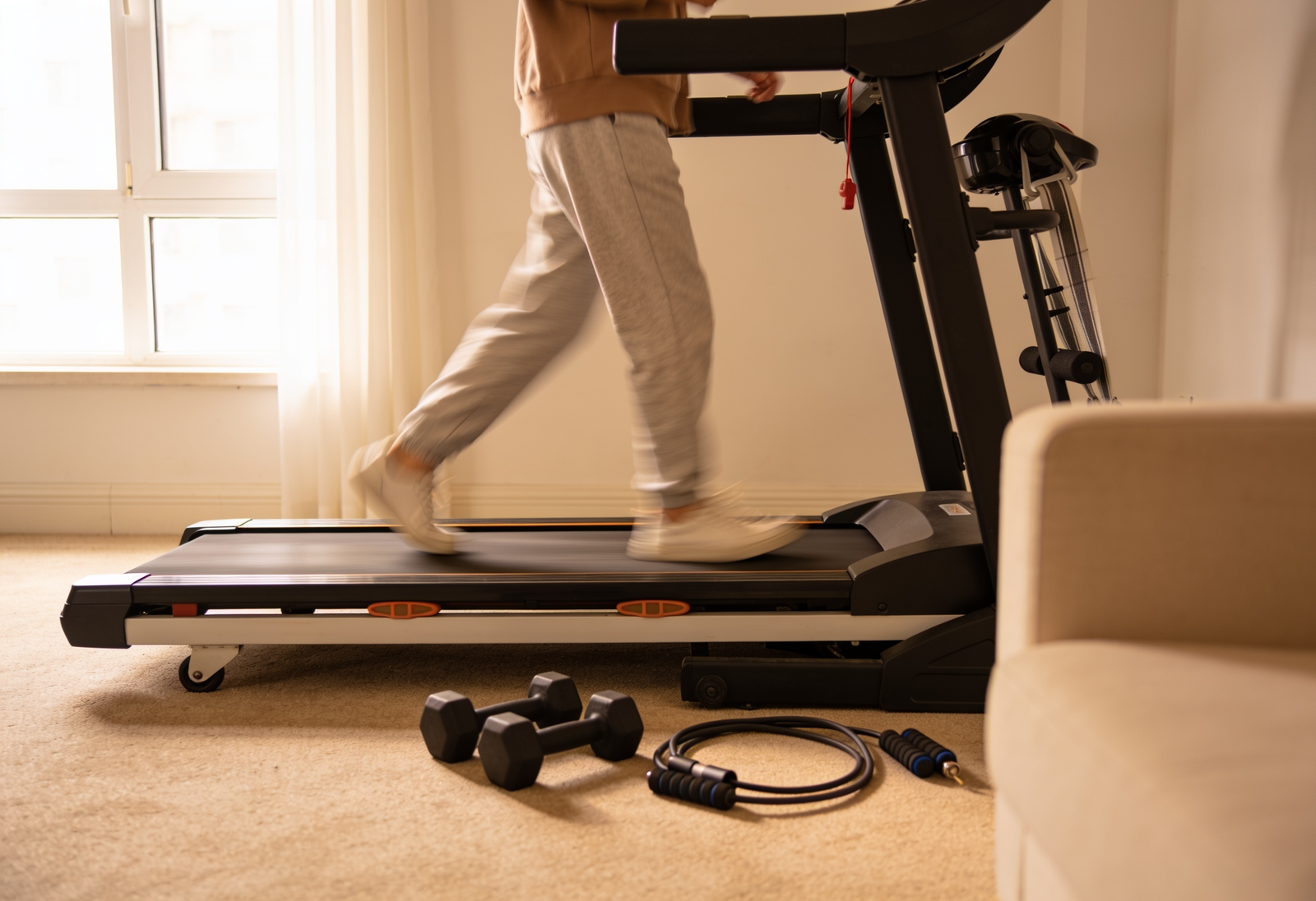
- Treadmill
- Adjustable dumbbells
- Resistance bands
These are not brands—just typical product types you’ll find anywhere.
Core Features at a Glance
| Product Type | Best For | Space Needed | Impact on Health & Fitness |
|---|---|---|---|
| Treadmill | Cardio, step count, fat loss | Medium to large | Heart health, endurance, weight control who |
| Adjustable dumbbells | Strength, muscle gain, full‑body training | Small (under bed) | Muscle, metabolism, bone health mayoclinic |
| Resistance bands | Strength, rehab, travel workouts | Very small | Joint‑friendly strength, mobility mayoclinic |
All three can boost your health & fitness, but they solve different problems.
Treadmills: My Honest Take
If you struggle to leave the house because of weather, safety, or schedule, a treadmill can be a game‑changer for your health & fitness. It makes the “just walk” advice incredibly convenient.
What I like:
- You can walk or jog while listening to podcasts or audiobooks.
- Easy to track distance, speed, and time.
- Great for steady habit building (same time, same place).
What’s not so great:
- Needs more space than other gear.
- Good models can be expensive.
- Some people get bored staring at a wall.
From a health & fitness perspective, though, treadmills make it easier to hit your 150 weekly cardio minutes. If walking is your main tool, this is a strong pick.
If you want to go deep on treadmill features (motor power, belt size, incline), sites like Garage Gym Reviews break down specs in detail. garagegymreviews
Adjustable Dumbbells: The Strength Workhorse
If I had to pick one thing for long‑term health & fitness besides walking, it would be some way to do progressive strength training. Adjustable dumbbells make that easy.
Why they’re powerful:
- One pair can replace a whole rack of fixed dumbbells.
- You can train your whole body: squats, presses, rows, lunges, deadlifts.
- They fit under a bed or in a closet.
Downsides:
- Good sets can be pricey.
- Some designs feel bulky or awkward at first.
Strength training supports health & fitness by protecting bone density, maintaining muscle as you age, supporting blood sugar control, and boosting metabolism. Add dumbbells to a basic program and your future self will thank you. mayoclinic
Resistance Bands: Small but Mighty
Resistance bands are underrated heroes in health & fitness, especially if you travel, live in a small space, or want joint‑friendly training.
Why I like them:
- Super portable, light, and cheap.
- Great for warm‑ups, mobility, and rehab‑style movements.
- You can still train all major muscle groups.
Limitations:
- Harder to track exact resistance compared with weights.
- Some people outgrow lighter bands quickly.
For beginners, bands can be enough to start building strength and improving mobility. They’re also perfect if you feel intimidated by heavy weights. mayoclinic
Quick Comparison: Which One Should You Buy First?
If you’re building your home health & fitness setup slowly, here’s how I’d choose:
| Situation | Best First Purchase | Why It Helps Health & Fitness |
|---|---|---|
| You sit all day and don’t walk much | Treadmill | Makes daily cardio non‑negotiable who |
| You walk a lot but feel weak or “soft” | Adjustable dumbbells | Builds muscle, strength, and bone health mayoclinic |
| You travel or have very little space | Resistance bands | Portable strength and mobility work mayoclinic |
| You’re rehabbing or worried about joints | Resistance bands | Lower impact, controlled movement mayoclinic |
No matter what you choose, remember: the best health & fitness tool is the one you’ll actually use.
If you want more context on choosing between products and services, this breakdown of fitness products vs services is helpful. fitplusinc
Mental Health, Confidence, and Fitness Content
Here’s something I don’t see talked about enough: health & fitness is not just body—it’s identity.
When you work out regularly:
- Your confidence shifts.
- You trust yourself more because you keep promises to yourself.
- You get used to doing hard things on purpose, and that leaks into other parts of life. health.harvard
If you ever think about filming your workouts or sharing your journey, you’re not alone. Many creators film sets from different angles, show their real struggles, and use captions to explain what they felt that day. That kind of honesty can make your health & fitness journey more fun and social, instead of lonely.
If you’re curious about posting gym content, tips like planning your shots, respecting people around you, and staying consistent are really useful.
Review: Are Home Fitness Tools Worth It?
Short version: Yes, if they remove friction.
From a pure research point of view, regular physical activity—whether outdoors or on equipment—lowers all‑cause mortality and improves multiple health markers. So the question isn’t “Do these products work?” It’s “Do they help you move more and stay consistent?”
My personal review of the three types for overall health & fitness:
- Treadmill: Fantastic if weather, safety, or schedule make walking outdoors hard. Great for building a non‑negotiable cardio habit.
- Adjustable dumbbells: Best for long‑term strength, body composition, and feeling strong in everyday life.
- Resistance bands: Best budget/space option and a great support tool for mobility and rehab.
If money is tight, start with bands. If you can invest more, add dumbbells or a treadmill later. You don’t need a full home gym to have serious health & fitness progress.
FAQ: Health & Fitness
What is the minimum I need to do for health & fitness?
Most adults should aim for about 150 minutes of moderate activity per week plus 2 days of strength training. But if you’re starting from zero, even 10 minutes a day is a good start.
Can I get fit without going to the gym?
Absolutely. Walking, bodyweight exercises, bands, and simple home equipment can build solid health & fitness as long as you stay consistent.
How long until I feel a difference?
Many people notice better mood, energy, and sleep within a few weeks of regular activity, while bigger changes in strength, endurance, and weight can take a few months. health.harvard
Do I need supplements to improve my health & fitness?
For most people, no. The core drivers of health & fitness are movement, nutrition, sleep, and stress management. Supplements are optional and should never replace the basics. who
Is walking enough for health & fitness?
Walking is one of the best starting tools, especially for heart health and mental well‑being. For full‑body health & fitness, add some strength training when you’re ready.